





Why Reward Pages Matter Before You Fund The Account
Most casino mistakes do not begin in a game window. They begin one step earlier, when a player sees an attractive reward panel, reads only the headline, and assumes the rest can be figured out later. With Ojo Casino available to adult players in Canada, that shortcut can change the whole session. A reward affects how much money goes into the first deposit, how long the player stays, and even which titles get opened first.
That is why the smartest move is to treat the offer page like a set of instructions, not a sales banner. Read the activation steps, check whether the reward lands automatically or needs manual entry, and look at what kind of play it is actually designed for. Some offers suit a calm first session with a modest budget. Others quietly push the player toward longer play, stricter conditions, or categories they were not planning to touch in the first place.
Imagine a player who signs up after dinner and only wants a short first look around. The reward panel looks strong, so the deposit goes up a little, then the session stretches a little, and suddenly the whole evening is being guided by conditions rather than enjoyment. That happens more often than people admit. The safer habit is simple: decide whether the reward supports your original plan, not whether the headline looks exciting.
Another good rule is to separate value from pressure. Extra balance or rounds are useful only when they fit the night you already intended to have. If the reward makes you change your deposit, your time limit, and your game choice all at once, then it is no longer helping the session. It is steering it.
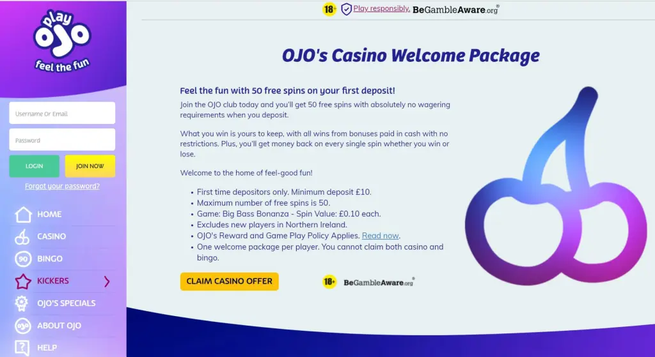
How Ojo Casino Welcome Bonus Shapes The First Deposit
An opening package always changes player behavior. Even careful users tend to think differently once the first reward is attached to the account. A deposit that felt sensible five minutes earlier can suddenly seem too small, simply because the player wants to "use the offer properly." That is exactly why the first deposit should be set before excitement takes over.
The cleanest way to handle a new-player package is to split the process into stages. First, read the page fully. Second, decide what kind of first session you actually want. Third, choose a deposit amount that would still feel reasonable if there were no added value at all. Only then does it make sense to move into the cashier. This keeps the promotion in a supporting role instead of letting it define the whole account setup.
For adult players in Canada, that distinction matters. A first deposit is not only a payment. It is the first real signal of how the account will be used in practice. Will it be a controlled entertainment budget for a short session, or will it become a longer experiment shaped by reward conditions? The difference is often decided before the cashier even opens.
Imagine someone who planned to test the site with one familiar slot and a short evening limit. Then the opening package appears and suddenly the plan becomes more ambitious. The bankroll grows, the playtime stretches, and the player starts exploring categories they would normally ignore. That can feel fun in the moment, but it also makes it harder to tell whether the platform actually suits the player or whether the reward is doing all the work.
A simple comparison table helps because it forces the reader to think in phases rather than slogans.
Deposit stage | Typical extra value | What players usually check | Why it matters |
|---|---|---|---|
First deposit | matched funds or a mixed starter pack | minimum entry, expiry window, eligible games | shapes the first session and the size of the bankroll |
Second deposit | smaller match or extra rounds | whether the same rules still apply | prevents false assumptions after the first use |
Later top-up | recurring support or extra play value | frequency, stake limits, session length | helps decide whether the deal is worth repeating |
Weekend or event offer | short-term extra credit or rounds | activation timing and restricted titles | avoids claiming a deal that does not fit the session |
What stands out in that table is not the size of the reward. It is the pattern. The further a player moves from the first deposit, the more important fit becomes. Early excitement fades, and that is useful, because it lets the account settle into a more honest rhythm. Once that happens, the player can judge whether the platform supports their actual habits or simply keeps offering reasons to stay longer.
Where Bonus Code Ojo Casino Makes Sense
A manual reward entry is worth using when it improves a session you already planned and when the steps around it are completely clear. The code field itself is not the important part. The important part is whether entering it changes the session in a way you still feel comfortable with. If the process is simple, the timing is visible, and the eligible games match what you wanted to play anyway, the extra step is fine.
Imagine opening the cashier with a calm, fixed-budget session in mind and noticing that a code can unlock extra value. That can be useful. Now imagine the same code makes you question the budget, the length of play, and even the games you were going to pick. In that case the code is no longer just a tool. It is pressure. A good rule is to enter it only when the session still makes sense without it.
Ongoing Rewards, Reload Value, And VIP Rhythm

Once the first-week excitement fades, recurring offers become more revealing than the starter package ever was. This is the phase where adult players in Canada usually make better decisions. They stop asking, "How big is the headline?" and start asking, "Does this fit the way I actually play?" That shift matters because regular offers are only useful when they support a routine that already exists.
Reload-style value can be practical, but only if it sits inside a budget that was already planned. If you were already going to have a modest weekend session, a top-up offer may stretch that entertainment a little further. If you had no intention of playing and only deposited because a fresh reward panel appeared, the offer has already taken control of the session. That difference is small on paper and huge in practice.
Loyalty features should be read the same way. Tier progress, cashback-like returns, occasional account perks, or faster handling can feel nice, but they are not goals in themselves. Chasing them usually distorts play. Instead of choosing games for enjoyment, the player starts choosing for progression. Instead of stopping on time, they stay for "just a little more" because the next account level looks close.
Imagine a player who normally logs in once a week for a contained evening. A repeat offer can support that habit because the structure already exists. Now imagine another player who opens the site only because a banner appeared in the account area. The promotion is the same, but the relationship to it is completely different. In the first case it supports discipline. In the second case it creates impulse.
VIP-style treatment deserves the same realism. Personal assistance, faster handling, or occasional account perks may sound appealing, but they are only meaningful when they arrive naturally. The moment a player starts shaping deposits around those extras, the account stops serving the player and starts steering them instead.
Weekly Top-Ups Work Best With A Fixed Plan
Weekly value is easiest to use well when it is attached to a routine that already exists. Set the budget first, then decide whether the extra value makes that same session slightly better. Imagine you already planned one Saturday session with a modest amount and a fixed stop point. In that case, a reload-type offer can help. But if the banner itself is the only reason you are opening the cashier, it is not really supporting the plan. It is replacing the plan.
Cashback And High-Roller Perks Need Distance
Cashback-style returns and higher-tier account perks can sound like protection, but they should never be read as permission to play more loosely. They are small extras after a controlled session, not reasons to take bigger swings before one. Picture a player who sees a return feature and starts thinking losses are somehow softer now. That mindset usually weakens discipline rather than improving it. The healthiest way to read these perks is with emotional distance: nice to have, never necessary.
How To Use Bonus Funds Without Losing The Original Plan
The hardest part of any promotion is not claiming it. It is staying sensible once the extra balance or extra rounds are active. Players often behave differently the moment something feels "added" rather than earned. They raise stakes a little because the balance seems less personal. They switch games faster because they want to use every part of the package. They stay longer because leaving early feels like wasting value. None of that is unusual, but it all needs to be noticed.
The best protection is to divide the session into phases. Use the reward deliberately, then pause and reassess before continuing. Do not flow straight from the final credited round into a new deposit or a more aggressive game just because the account still feels lively. That pause matters because the emotional logic of reward play is not the same as the logic of ordinary cash play. A session can feel successful simply because the balance moved more than expected, even when it did not actually fit your original goal.
Game choice matters here too. Some players assume that once a reward is active, every part of the platform behaves the same way. That is not always how promotions are structured. Certain titles may count differently, and some sections may not suit the reward path at all. This is one more reason why the reading step belongs before the deposit, not after. A player should know the route in advance rather than discovering it halfway through the session.
Imagine someone who begins with a sensible plan, uses the added value, and then feels a burst of momentum near the end. The account still looks busy, the emotions are up, and the easiest thought in the world is "one more round." That is exactly the moment when a short stop works best. Not because something dramatic happened, but because the reward phase is finished and the account needs to be read again with fresh eyes.
Activation Rules, Pacing, And Wagering Discipline
Most people think activation rules are just technical details. They are not. They are pacing tools. They tell you how fast the reward needs to be claimed, how long you have to use it, and how tightly the whole session should be managed. A player who ignores those points is not being spontaneous. They are usually setting themselves up for frustration later.
This is especially true when a promotion comes with completion requirements or limits on stake size while the reward is active. Even when the language is straightforward, the session itself changes. The player is no longer simply choosing what feels fun in the moment. They are operating inside a structure. That is not necessarily bad, but it must be accepted clearly. The worst outcome is to claim the reward and then behave as though the session is completely flexible.
Imagine a user who likes to change games often and vary stake sizes depending on mood. During a reward session, that natural style may become harder to manage if there are restrictions in place. What usually feels loose and entertaining can suddenly feel awkward. That does not mean the offer is poor. It means the player has to decide whether structured reward play actually fits the way they enjoy casino time.
There is also the question of expiry. Some players treat time windows as background details until the session starts feeling rushed. At that point, the reward is no longer adding value. It is dictating behavior. The better habit is to ask one simple question before activation: do I realistically have the time and attention for this, or am I about to force a schedule around a promotion?
Where Support And Timeout Tools Help Most
Support tools and break settings matter most before frustration appears. Check where the help section lives, how account questions can be raised, and where timeout or longer break options sit in the profile. Imagine you are mid-session, the reward is active, and something suddenly feels unclear. That is the worst moment to go hunting through menus. The calm approach is to locate those tools earlier, when the account is quiet and your decisions are still deliberate.

Payment Flow, Withdrawals, And A Clean Exit
The cashier is not just the front door. It is also the exit route, and players often forget that. A deposit sets the tone of the session, but a withdrawal plan decides how the session ends. If that exit is never considered in advance, the whole experience becomes reactive. The player keeps going because the stopping point was never defined.
A first deposit on a reward-focused session should teach you something about the platform. It should show you how visible the transaction history is, how clearly the cashier is structured, and whether the account feels readable under normal use. That is why smaller, deliberate first deposits are usually the better move on a new site available in Canada. The goal is not only to play. The goal is to understand the environment you are playing in.
Withdrawals deserve the same calm mindset. Even when the process is straightforward, adult players should expect that the flow may depend on method, account status, or ordinary review steps. That is normal. The cleanest sessions are the ones where the player never assumes instant closure. A reward session especially should not be judged only by how quickly money appears or leaves. It should be judged by whether the account stayed understandable from start to finish.
Imagine ending a session with some profit and no clear plan for what happens next. That is when people drift back into the lobby, not because they truly want another game, but because the evening has no decided endpoint yet. A better habit is to define the exit before the deposit: under what conditions do I stop, and what amount remains untouched if I reach that point? Those questions create more calm than any promotion ever will.